
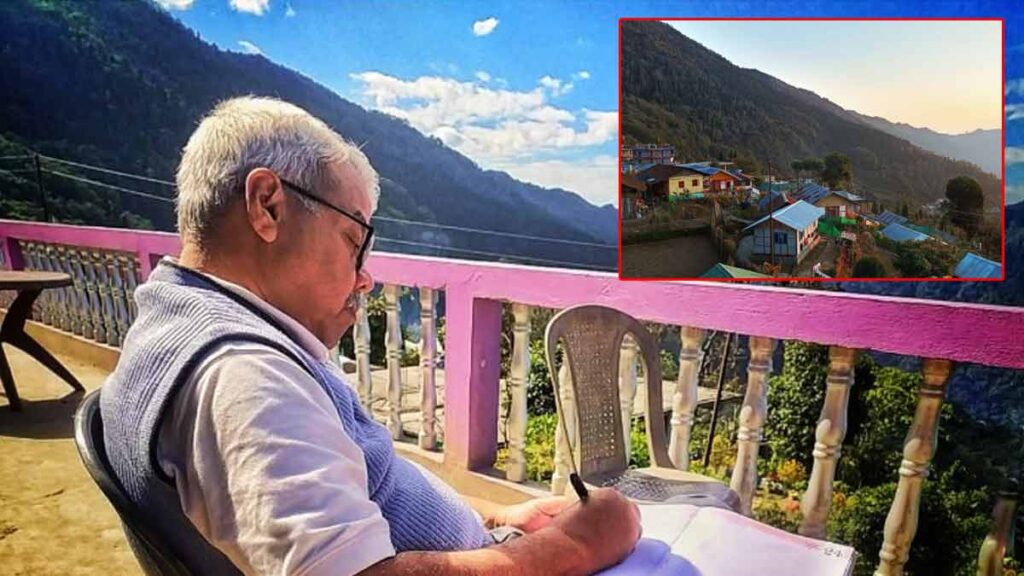
Shrayan Sen
The North Bengal hills — once peaceful retreats wrapped in silence and mist — are now facing the burden of mass tourism. The same slopes that once echoed with birdsong now reverberate with car horns, loud music, and weekend revelry. In places like Darjeeling, Kalimpong, or even the smaller Lepcha villages, the serenity is giving way to noise and chaos.
Many tourists now travel in large, noisy groups, treating the hills like city extensions. Selfie points have replaced scenic viewpoints; picnic waste lies scattered by the roadside. The simplicity that once defined these hills is slowly disappearing under the pressure of careless over-tourism.
The Environmental Toll
The impact of this unrestrained tourism is evident. Over-construction has made the slopes fragile, increasing landslide risk. Streams that once sparkled with clarity now choke with plastic. Water shortages have become frequent during peak tourist months. The local people, who once hosted guests with warmth, now struggle to balance their limited resources against the growing influx of visitors.
What was once a sustainable livelihood is slowly turning into a daily struggle against overcrowding, waste, and the loss of natural balance.
What Tourists Should Do Now
It’s time for travelers to reflect on why they travel. The beauty of North Bengal’s hills doesn’t lie in luxury or loud celebrations — it lies in stillness, in quiet trails, and in moments of connection. Here’s what responsible travelers should now embrace:
- Seek the Offbeat: Instead of rushing to crowded towns, explore lesser-known places like Takdah, Charkhole, Sitong, or Bunkulung. Here, the air is purer, and the smiles are more genuine.
- Choose Local Homestays: Staying in homestays supports the local economy and offers a window into everyday hill life — from brewing local tea to learning how vegetables grow in terrace gardens.
- Eat Simple, Eat Local: Tourists must understand that the hills are not luxury hotels. They should not expect continental buffets or airline-style menus. Instead, they can enjoy freshly cooked, home-style meals — steaming rice, lentils, seasonal greens, bamboo shoot curry, or local chicken stew. These dishes carry the flavour of the land and the love of the hosts. Enjoying such simplicity is part of experiencing the soul of the region.
- Respect Homestay Rhythms: Life in the hills begins early. Locals wake with the sunrise and rest soon after dusk. Guests should respect these rhythms — dine on time, go to bed early, and wake up to the first light filtering through the pines. Late-night noise or parties disturb not just the hosts but the entire peace of the surroundings.
- Travel Light and Leave No Waste: Always carry reusable bottles, avoid packaged food, and never litter trails or viewpoints.
- Move Slowly: Walk short distances, enjoy tea in small stalls, and talk to locals. Sometimes, the most memorable travel stories come from conversations, not checklists.
A Return to the Essence of Travel
Travel is not about escaping to another place only to repeat the same city habits. It’s about unlearning haste. The North Bengal hills offer a rare chance to reconnect with slowness — to sip tea overlooking orange orchards, to watch children play on misty roads, to breathe without rush.
Tourism here must return to its roots — calm, conscious, and community-friendly. If travelers learn to appreciate the homely meals, respect local routines, and move in harmony with nature, they will not only preserve the charm of these mountains but also rediscover what travel truly means.
Offbeat homestays across the region are showing the way — combining simplicity, warmth, and sustainability. These small places remind us that peace cannot be built through luxury, but through respect.