
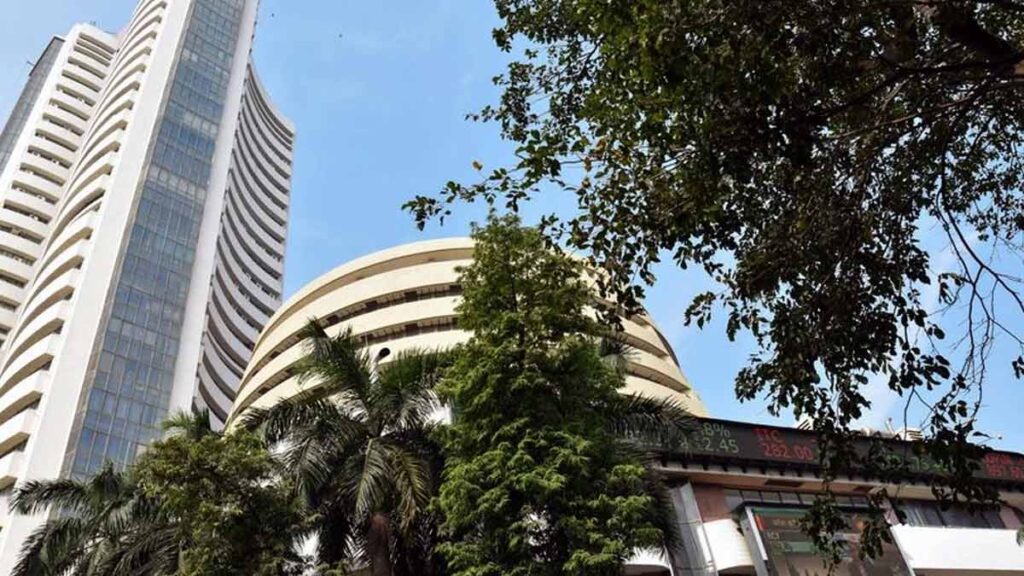
Domestic equity markets are bracing for a weak start on Monday after a sharp escalation in West Asia tensions. The United States and Israel reportedly carried out strikes on Iran over the weekend, triggering retaliatory missile launches and raising fears of wider regional conflict.
Reports suggest the strikes killed Iran’s Supreme Leader, Ayatollah Ali Khamenei, significantly intensifying geopolitical risks. Investors are now closely watching the Strait of Hormuz — a vital oil transit route — amid concerns that any disruption could severely impact global crude supplies.
Risk-Off Mood Likely to Dominate
Analysts expect a classic “risk-off” reaction when markets reopen. Equities may face broad-based selling pressure, while safe-haven assets such as gold and US Treasuries could see strong inflows. Sectors sensitive to higher energy costs — including aviation, paints, logistics, and oil marketing companies — are likely to be hit the hardest.
Nachiketa Sawrikar, fund manager at Artha Bharat Global Multiplier Fund, said markets were already fragile before the escalation.
“Against this backdrop, a US and Israel attack on Iran would likely trigger broad-based selling across developed and emerging markets. We expect the ongoing rally in US Treasuries, oil, gold, and silver to extend.”
He added that India typically feels a magnified impact from oil shocks, as higher crude prices widen the current account deficit, fuel domestic inflation, pressure the rupee, and potentially trigger foreign investor outflows.
Some oil majors and commodity traders are reportedly suspending shipments through the Hormuz Strait due to heightened security risks.
Christopher Wong, strategist at OCBC, told Reuters that the immediate reaction is predictable: gold could see an upside gap, oil may rise on supply fears, and risk assets and high-beta currencies may face volatility.
How High Could Oil Go?
Energy analysts warn crude prices could surge toward $100 per barrel if supply disruptions intensify. Several brokerages estimate a potential $5–15 jump above the current baseline of around $73 per barrel, depending on the scale and duration of disruptions.
Domestic Markets Already Under Strain
The geopolitical shock comes at a vulnerable time for Indian markets.
On Friday:
- The BSE Sensex fell 961 points (1.2%) to close at 81,287.
- The Nifty 50 declined 318 points (1.25%) to end at 25,179.
Both benchmarks have now logged losses for three consecutive months.
Foreign portfolio investors (FPIs), who had briefly turned net buyers earlier in the month, resumed selling towards the end of February, offloading shares worth more than ₹10,000 crore in the last two trading sessions.
The India VIX — a gauge of market volatility — rose nearly 3% to 13.44 on Friday, reflecting rising uncertainty. Technical analysts identify 25,000 on the Nifty as a key psychological support level, warning that a spike in volatility could amplify downside risks.
With global cues turning sharply negative and oil risks intensifying, markets appear set for a turbulent start to the week.