
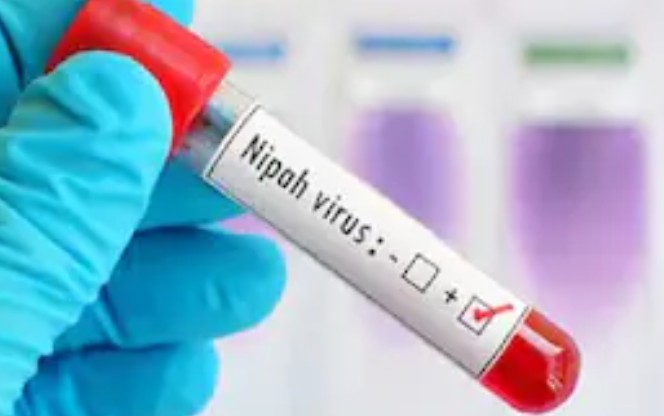
With fresh concerns over suspected Nipah virus cases in West Bengal, comparisons are being drawn between COVID-19 and Nipah to help people understand how similar or different the two infections are, and why Nipah outbreaks create particular alarm among health authorities.
Common Features
Both COVID-19 and Nipah are viral diseases that can cause fever, weakness and breathing difficulties. In certain situations, both viruses are capable of spreading from one person to another, especially through close contact. At the early stage of infection, symptoms can sometimes appear mild, making detection difficult without medical testing.
Source of Infection
COVID-19 is primarily a respiratory virus that spreads easily among humans through droplets released while coughing, sneezing or talking. Nipah, on the other hand, is a zoonotic disease. It usually spreads from animals to humans, most commonly through fruit bats, contaminated fruits or contact with infected animals. Human-to-human transmission of Nipah is possible but relatively limited.
Speed of Spread
COVID-19 has shown the ability to spread rapidly across countries and continents, leading to global waves of infection. Nipah spreads much more slowly and usually remains confined to small geographic areas. Outbreaks tend to be localised and easier to trace if detected early.
Severity and Death Rate
A major difference lies in how deadly the two viruses are. Nipah virus infection has a very high fatality rate, often ranging between 40 and 75 percent in recorded outbreaks. COVID-19, while highly contagious, has a much lower death rate overall, especially after the introduction of vaccines and improved treatment methods.
Symptoms and Complications
COVID-19 mainly affects the respiratory system, causing cough, sore throat, fever and breathlessness. Nipah can attack both the respiratory and nervous systems. In severe cases, it may lead to encephalitis, confusion, seizures and even coma, making it particularly dangerous.
Treatment and Prevention
There is no specific antiviral treatment or approved vaccine for Nipah virus at present. Medical care mainly focuses on supportive treatment and strict infection control. COVID-19, in contrast, now has vaccines and several treatment protocols that help reduce severity and deaths.
Public Health Response
COVID-19 control relies on widespread measures such as vaccination, testing and community-level precautions. Nipah control focuses more on rapid isolation of patients, contact tracing, use of protective gear by health workers, and preventing exposure to bats or contaminated food.
Conclusion
While COVID-19 spreads faster and affects a larger population, Nipah is far more lethal on a case-by-case basis. Understanding these differences is crucial so that panic is avoided, while vigilance and timely medical response are ensured during suspected Nipah cases.