
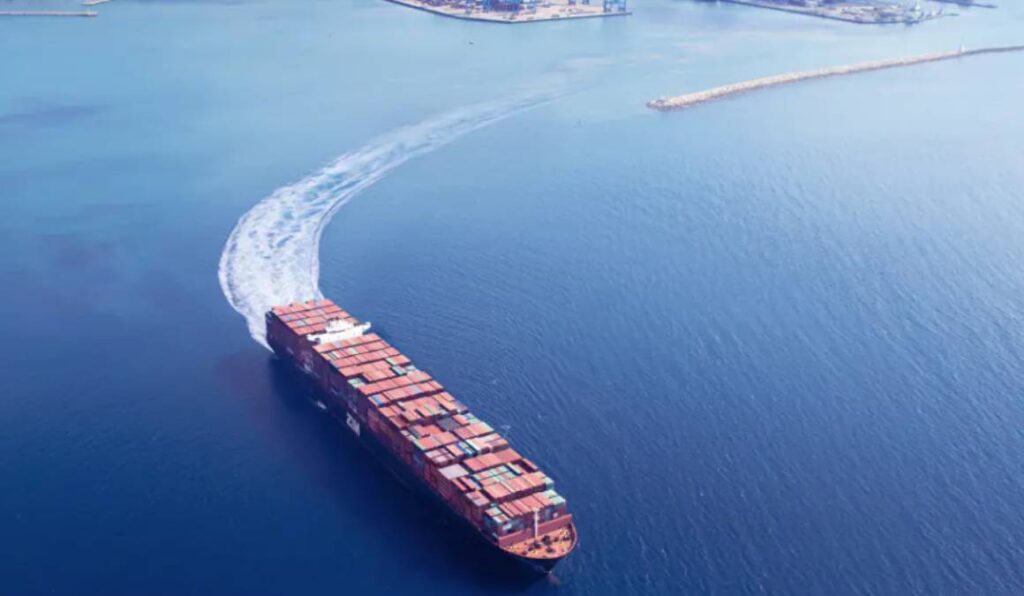
The United States is increasingly looking toward the Strait of Malacca as tensions continue in the Strait of Hormuz, signalling a possible shift in global strategic focus.
This comes in the backdrop of a defence understanding between the US and Indonesia, which is expected to give American forces greater operational access in the region. Such access would allow the US to enhance surveillance and strengthen its strategic positioning around the Malacca Strait, one of the busiest shipping lanes in the world.
The Malacca Strait plays a crucial role in global trade, carrying a large share of oil, goods, and industrial supplies, particularly for Asian economies. For China, the route is especially critical, as a significant portion of its energy imports passes through this narrow channel, making it a strategic vulnerability.
For the US, the interest lies more in its geopolitical importance than economic dependence. Control or monitoring of such a narrow and vital passage could provide a strategic advantage in times of conflict or rising tensions.
The development holds particular importance for India. The country’s Andaman and Nicobar Islands are located close to the western entrance of the Malacca Strait, placing India in a strong position to observe and potentially influence maritime activity in the region.
A large portion of India’s trade also moves through this route, making stability in the Malacca Strait crucial for its economic and strategic interests. As global attention gradually shifts from the Middle East to the Indo-Pacific, the Malacca Strait is emerging as a key focal point where the interests of major powers may increasingly converge.