
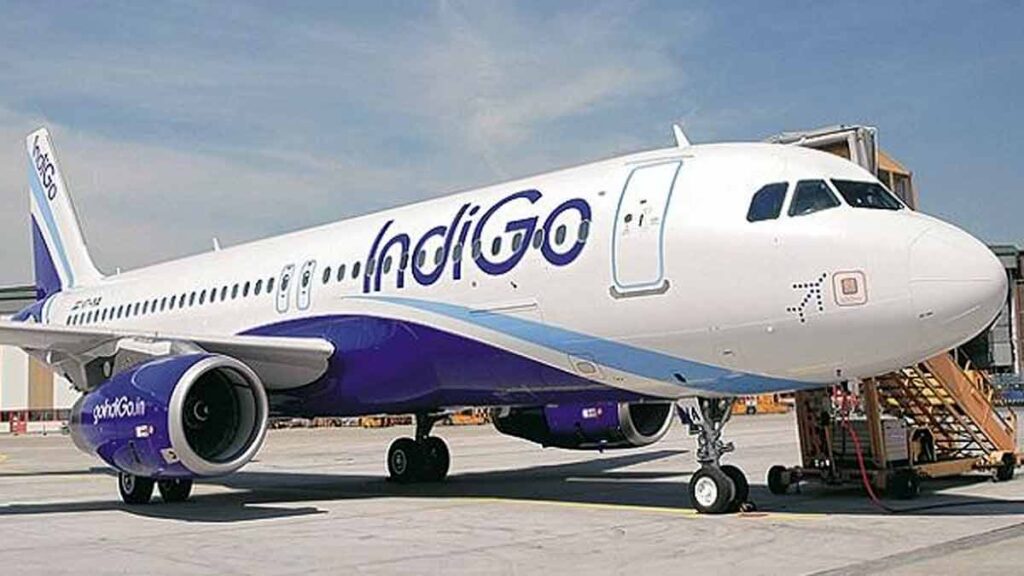
The Union government has taken strong action against IndiGo after the airline cancelled hundreds of flights over several days, severely impacting passengers across the country. On Saturday alone, IndiGo cancelled nearly 850 flights, despite claiming that operations had “largely normalised”.
According to the Directorate General of Civil Aviation (DGCA), the crisis began after new Flight Duty Time Limitation (FDTL) rules came into effect on 1 November. These rules mandate proper rest for pilots, restrict the number of night landings, and limit consecutive night duties. DGCA officials say IndiGo failed to deploy enough pilots and crew to meet these revised safety norms, especially for flights scheduled for night-time landing. This staffing shortfall led to widespread disruption.
In response, the government has issued a show-cause notice to IndiGo’s CEO, demanding an explanation within 24 hours for failing to maintain stable operations. A four-member high-level committee has also been formed to investigate the disruptions and identify responsibility. The government has warned that those accountable “will have to face consequences”.
To protect passengers, several immediate orders have been issued. IndiGo must refund all cancelled flight tickets by Sunday evening. Passengers whose flights were rescheduled or who had already checked in luggage must not be charged extra, and baggage must be returned within 48 hours. Airfares have been capped temporarily to prevent other airlines from exploiting the crisis through surge pricing.
At the same time, the government has partially relaxed the new duty-time rules for some IndiGo aircraft to provide temporary relief and help stabilise operations. Officials clarified that this is not a blanket withdrawal of the rules but a targeted measure to control the emergency.
Pilot associations have criticised the selective exemption, arguing that safety norms should not be diluted for a single airline. The crisis has raised questions about IndiGo’s preparedness and whether regulatory changes were met with adequate planning. For passengers, uncertainty continues despite gradual improvement in flight operations.