
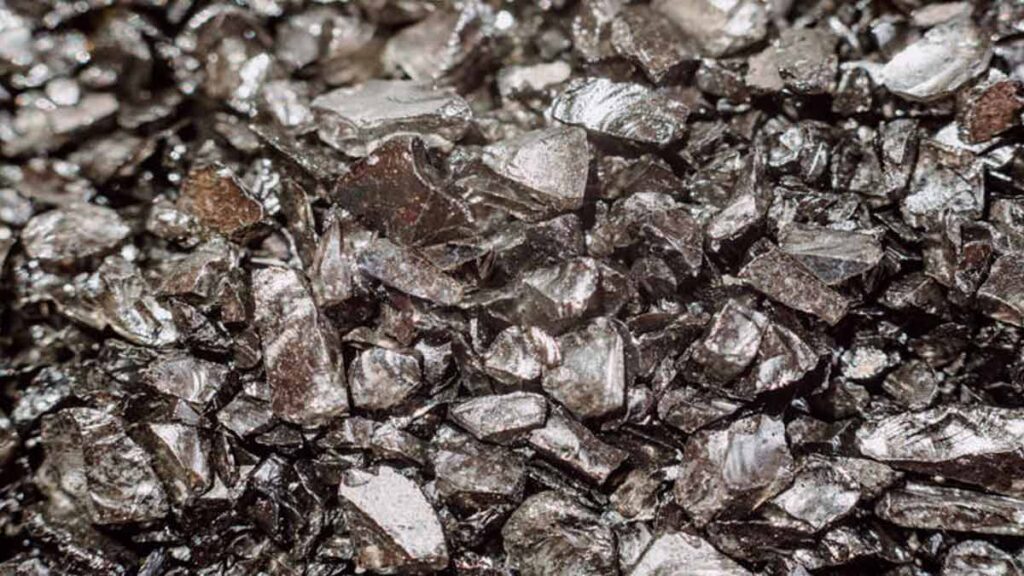
The Union Cabinet, chaired by Prime Minister Narendra Modi, on Wednesday approved a ₹7,280 crore scheme to promote the manufacturing of sintered rare-earth permanent magnets (REPM), marking India’s first major initiative to build an integrated domestic supply chain for this strategically important material.
The “Scheme to Promote Manufacturing of Sintered Rare Earth Permanent Magnets” aims to develop an annual production capacity of 6,000 tonnes to meet rising demand from electric vehicles, renewable energy, electronics, aerospace, and defence — sectors seen as central to India’s energy transition and manufacturing ambitions.
Under the programme, five beneficiaries will be selected through global competitive bidding, each eligible to set up 1,200 tonnes per annum capacity. The scheme includes ₹6,450 crore in sales-linked incentives over five years and ₹750 crore as capital subsidy to establish manufacturing units.
The initiative will run for seven years, including a two-year gestation period for plant setup and five years for incentive payouts.
India currently imports nearly all the 900 tonnes of REPMs it uses annually, despite possessing the world’s fifth-largest rare earth reserves. Demand for these high-strength magnets — essential for EV motors, wind turbines, industrial automation, and electronics — is expected to double between 2025 and 2030.
The government said the scheme will help India establish its first integrated REPM manufacturing ecosystem, covering the entire value chain: converting rare earth oxides into metals, metals into alloys, and alloys into finished magnets. It will generate employment, strengthen self-reliance, and support India’s goal of achieving net-zero emissions by 2070.
Industry bodies welcomed the move. SIAM President Shailesh Chandra said the scheme would strengthen supply-chain resilience, especially for EV components, and accelerate clean-mobility adoption. ACMA President Vikrampati Singhania called it a strategic intervention addressing a major gap in India’s advanced mobility ecosystem.
Experts noted that the initiative, combined with the National Critical Minerals Mission, underscores a broader national commitment to developing a secure and competitive critical-minerals supply chain. EY India’s Raju Kumar said the incentives could unlock opportunities across mining, processing, alloying, and advanced materials, enabling Indian companies to enter high-value global markets.