
Shrayan Sen
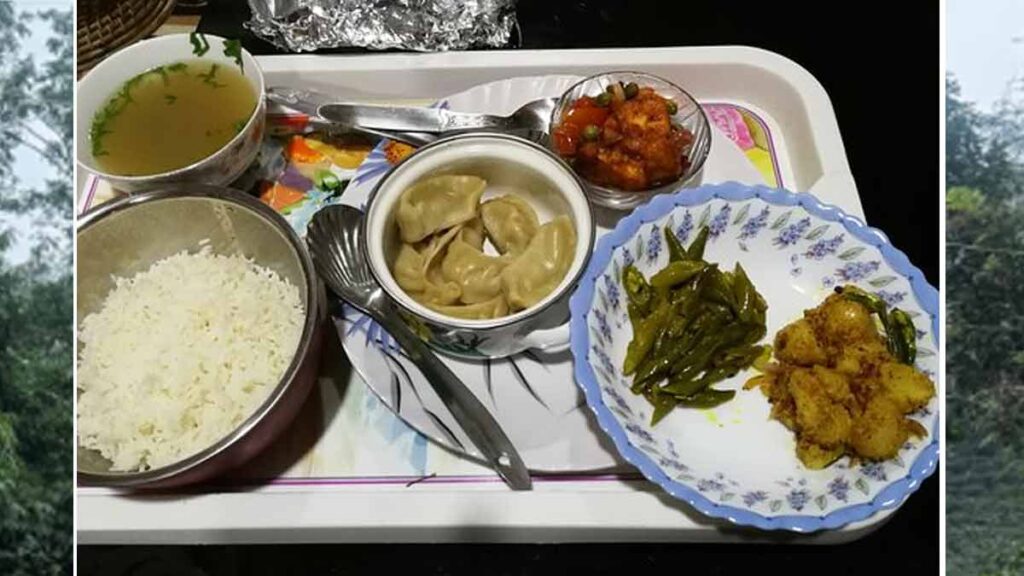
In the North Bengal hills, food is not about luxury — it is about warmth. Most homestays here serve what they eat themselves: simple, nourishing meals that tell the story of the land. The mornings often begin with a cup of steaming tea grown in the nearby gardens, its fragrance blending with mist and birdsong. Breakfast might be a plate of hot rotis with local vegetables, or puffed rice served with boiled eggs and pickles. There are no menus, no elaborate buffets, only the rhythm of mountain life reflected on the plate.
Travellers who come expecting lavish spreads often forget that these hills thrive on simplicity. Here, food is slow-cooked, grown nearby, and served with genuine affection. It may lack the glamour of a restaurant, but every bite carries the purity of home.
The Heart of Hill Cuisine
Lunch and dinner in these homestays are hearty and honest. A typical meal includes steamed rice or millet, lentils simmered over firewood, a mild curry of local greens, and sometimes a chicken or egg dish seasoned with ginger, garlic, and coriander leaves. Bamboo shoots, nettle leaves, and fermented mustard are common ingredients that lend a rustic, earthy aroma to the meal.
In places like Kalimpong or Pedong, one might be served thukpa — a warm noodle soup that comforts in the cold. In Lepcha and Nepali households, gundruk, a fermented leafy vegetable, often finds its way into curries. In the colder months, millet porridge or chhurpi — dried yak cheese — adds strength to the body. Nothing is wasted here; the kitchen follows nature’s rhythm and the season’s offerings.
A Lesson in Humility and Gratitude
To eat in a hill homestay is to understand patience. Meals are prepared fresh for each guest, often after vegetables are plucked from the garden or chicken is cleaned at home. Tourists should not demand fast service or continental food; rather, they should appreciate the care behind every dish.
The dining tables are modest, sometimes wooden planks overlooking the valley, sometimes in the family kitchen where the host chats as she cooks. A gentle thank-you or a compliment in return means more than any tip. Food here is not a transaction — it is a connection.
Living by the Hills’ Rhythm
The hills move slowly, and so should those who visit them. Most families eat dinner early, around 7 or 8 pm, and retire soon after. The mornings begin with the first light, often long before the tourists wake. Visitors are encouraged to follow this rhythm — have your dinner on time, rest early, and rise with the dawn. It helps preserve the quiet lifestyle of the hosts and also lets you witness the most magical part of the hills — the soft, golden sunrise brushing the slopes awake.
Late-night noise or demands for food beyond hours disturb not only the hosts but the harmony of the surroundings. To live in a homestay is to adapt, not to impose.
Why Simplicity Feels Richer
The beauty of North Bengal’s homestay cuisine lies in its humility. No two meals taste the same because each depends on what the day provides — the vegetables available, the weather, and the host’s touch. What remains constant is the sincerity.
When travelers learn to savour the simplicity — to enjoy dal and rice cooked on firewood more than a platter from a five-star kitchen — they begin to understand the real flavour of travel. These hills teach us that comfort does not come from abundance, but from authenticity.