
Shrayan Sen
North Bengal’s hills and plains — from Darjeeling and Kalimpong to the forests of the Dooars — are reeling from one of the most destructive rain disasters in recent memory. Torrential rainfall triggered massive landslides, flash floods, and infrastructural collapse, leaving behind a trail of devastation.
The disaster has renewed urgent calls for sustainable, environmentally conscious tourism and infrastructure planning in this ecologically fragile region.
Rain disaster exposes fragile foundation
Relentless rain pounded the hills through the first week of October, cutting off roads, toppling bridges, and sweeping away homes and wildlife alike.
- At least 20 people were killed across Darjeeling, Mirik, and surrounding hill areas.
- Critical bridges and roads collapsed, isolating entire pockets from Siliguri.
- Teesta, Jaldhaka, and Torsa rivers overflowed, inundating forest and village zones.
- Rhinos were swept away and elephants stranded in Jaldapara and Gorumara reserves.
- Tourists remained trapped in cut-off hill stations for days before rescue teams arrived.
The scale of damage has underscored how unplanned construction, deforestation, and poorly designed infrastructure have worsened the impact of extreme weather events.
Tourism boom, ecological bust
For decades, North Bengal’s tourism economy has expanded rapidly, often without adequate environmental planning. The result has been heavy strain on its mountains, rivers, and forests.
- Mass tourism brings short stays but heavy waste loads.
- Overuse of vehicles erodes fragile hill roads.
- Concrete expansion blocks natural drainage and increases landslide risk.
When intense rainfall occurs, these vulnerabilities combine to amplify disaster impacts. The October floods are a stark reminder that tourism growth must align with environmental capacity.
Integrating lessons from the rain disaster
Rebuilding the region’s tourism economy must now go hand-in-hand with environmental resilience. Key lessons from this disaster are shaping the conversation around sustainable development:
| Issue | Lesson Learnt | Way Forward |
|---|---|---|
| Landslides and slope failures | Construction without slope studies worsens soil instability. | Restrict unplanned road cutting, promote bio-engineering and vegetation barriers. |
| Bridge collapses and connectivity loss | Infrastructure can’t withstand extreme rainfall events. | Build climate-resilient bridges and create alternative access routes. |
| Wildlife distress | Floods swept through protected areas. | Establish buffer zones and restrict tourism during monsoon peaks. |
| Stranded tourists | Limited road networks leave no evacuation path. | Develop multiple circuits and clear disaster management protocols. |
| Local income collapse | Overdependence on seasonal tourism leads to vulnerability. | Support homestays, agro-tourism, handicrafts, and alternative livelihoods. |
Integrating these lessons into policy and planning is essential to reduce future risks and make tourism sustainable.
Communities leading the green shift
Several North Bengal villages have already taken steps toward eco-resilient tourism.
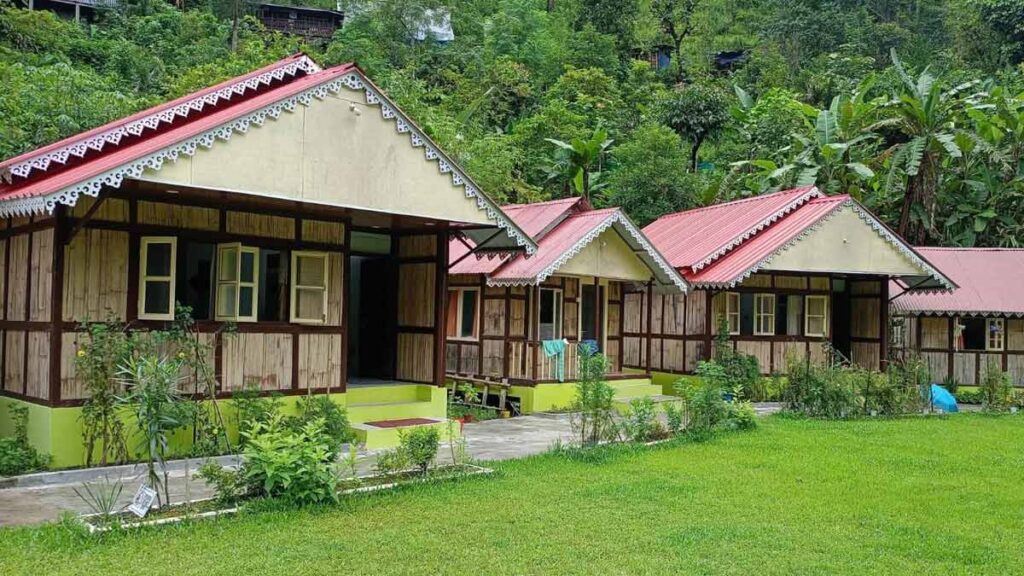
- Many newer places in Darjeeling and Kalimpong promote eco-homestays powered by solar energy and supported by organic farming.
- Buxa Tiger Reserve follows a controlled, low-footfall model of forest-village tourism.
- Heritage walks in Cooch Behar focus on cultural tourism with minimal environmental footprint.
These models demonstrate that responsible, community-driven tourism can generate income while protecting local ecosystems.
Policy changes needed for real impact
To prevent further ecological degradation and prepare for future weather extremes, experts recommend a multi-pronged approach for North Bengal’s tourism and infrastructure planning:
- Set carrying-capacity limits for popular hill and forest destinations.
- Introduce green certification for hotels, vehicles, and tour operators.
- Ban plastic and unregulated slope construction in eco-sensitive zones.
- Encourage renewable energy use and proper waste segregation at all tourist sites.
- Link tourism revenue directly to forest restoration and disaster preparedness funds.
- Launch awareness campaigns to promote responsible tourist behavior.
Turning crisis into opportunity
The October rain disaster could mark a turning point for North Bengal. If policies emphasize eco-resilience, local participation, and responsible travel, the region can rebuild stronger and safer.
Sustainable tourism does not mean fewer visitors; it means better-managed, environmentally responsible travel that ensures both community benefit and ecological balance.
From the Himalayan slopes to the forested plains of Dooars, the region’s beauty depends on its balance with nature. The recent disaster has shown that protecting that balance is no longer optional — it is the only way forward.