
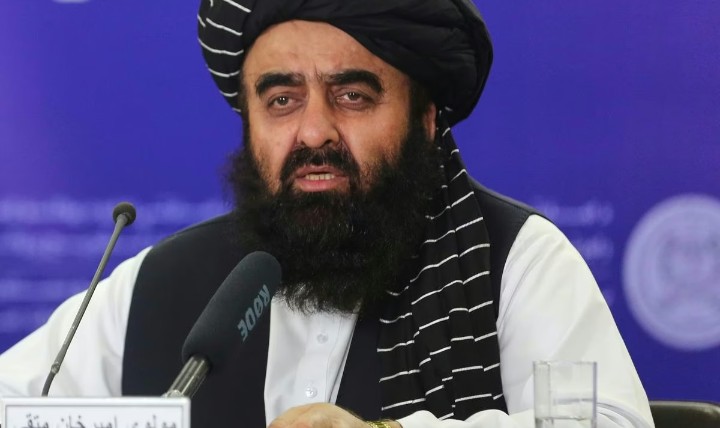
In what is being seen as a major geopolitical shift in South Asia, Afghan Foreign Minister Amir Khan Muttaqi of the Taliban-led government will visit India from October 9 to 16 — the first senior-level visit from Kabul since the Taliban’s return to power in August 2021. The high-profile trip is expected to open a new phase in India–Taliban engagement and potentially alter the strategic dynamics of the region.
The United Nations Security Council has granted Muttaqi a temporary travel exemption, allowing him to undertake the visit. Diplomatic observers say this exemption highlights the importance regional and global stakeholders attach to renewed engagement between India and Afghanistan under Taliban rule.
Months of Quiet Diplomacy Lead to Breakthrough
The visit is the culmination of several months of behind-the-scenes diplomatic efforts. Since early 2025, Indian officials — including Foreign Secretary Vikram Misri and senior diplomat J.P. Singh — have held multiple meetings with Muttaqi and other Taliban representatives in neutral locations such as Dubai. These discussions focused on humanitarian cooperation, particularly in health care and refugee rehabilitation.
The real momentum, however, came on May 15, shortly after India’s successful Operation Sindoor against Pakistan. In a landmark move, External Affairs Minister S. Jaishankar spoke directly with Muttaqi — the first ministerial-level contact since 2021. During the call, Jaishankar welcomed the Taliban’s condemnation of the Pahalgam terror attack and reiterated India’s historic friendship with the Afghan people.
Earlier in April, the Taliban’s public condemnation of the Kashmir attack during talks with Indian officials in Kabul was viewed as a diplomatic breakthrough, indicating convergence between New Delhi and Kabul on the issue of Pakistan-sponsored terrorism.
Humanitarian Ties Deepen
India has steadily expanded its humanitarian outreach to Afghanistan since the Taliban’s takeover. New Delhi has supplied nearly 50,000 tonnes of wheat, over 330 tonnes of medicines and vaccines, 40,000 litres of pesticides, and other essential commodities to support Afghan communities facing acute shortages.
India was among the first nations to respond to the September earthquake, sending 1,000 family tents and 15 tonnes of food grains, followed by 21 tonnes of additional relief materials including medicines, hygiene kits, blankets, and generators. Afghan authorities have also formally requested India’s assistance in areas such as energy and infrastructure development.
Strategic Implications for the Region
Muttaqi’s visit to New Delhi is widely perceived as a diplomatic setback for Pakistan, which has traditionally exerted significant influence over Kabul. Tensions between Islamabad and the Taliban have risen in recent months, particularly after Pakistan’s decision to deport more than 80,000 Afghan refugees earlier this year. This rift has created new diplomatic space for India to strengthen its presence in Afghanistan.
For New Delhi, the outreach represents a calculated but strategic move. Direct engagement with the Taliban regime could help India safeguard its security interests, counter extremist threats, and balance Chinese and Pakistani influence in the region.
The bilateral talks scheduled for October 10 are expected to set the tone for a cautious but potentially transformative partnership. Analysts believe the visit could mark the beginning of a new diplomatic trajectory that reshapes power equations across South Asia.